
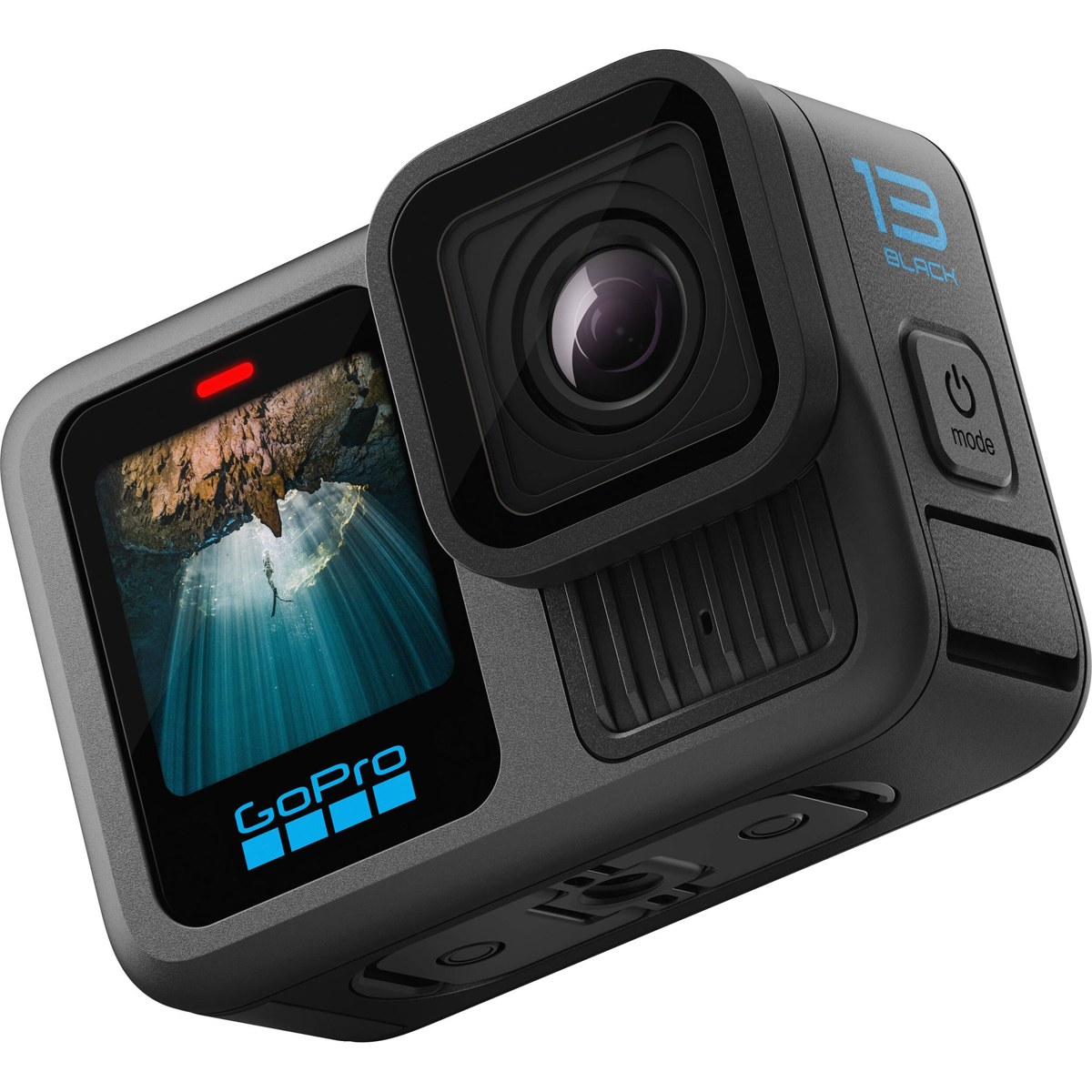
A GoPro and a DJI Mini can tell two parts of the same trip. A GoPro gets the view from the bike, the kayak, or your hand as you walk into camp. A drone shows where that trail or shoreline goes. I have a HERO9 Black and a Mini 3 Pro, so I wanted to see what the recent models would actually add to a travel kit.
GoPro still lists the HERO13 Black in its HERO lineup, alongside smaller models like the LIT HERO. Its newer flagship family is the MISSION 1 series. The newest DJI Mini Pro model I found is the Mini 5 Pro. Browse GoPro’s current camera lineup or see DJI’s Mini 5 Pro specifications.
GoPro HERO13 Black is the upgrade I’d look at first
If you want a familiar action camera for a handlebar, a short grip, or a waterproof setup near the water, the HERO13 Black is the natural step up from the HERO9. The HERO13 offers 5.3K video, support for GoPro’s HB-Series lenses, and an optional magnetic mounting system. TechRadar liked the easier mounting and the lens options, including the Macro Lens Mod for close-up vlog footage. GoPro rates both the HERO9 and HERO13 Black to 10 m (33 ft) without a housing when their doors are properly closed. Read the TechRadar HERO13 test or check GoPro’s waterproof ratings.
As an Amazon Associate I earn from qualifying purchases.
When I’d consider LIT HERO or MISSION 1 instead
The LIT HERO is the compact option I’d look at for quick, casual 4K trip clips. GoPro rates it to 16 ft (about 5 m). The newer MISSION 1 and MISSION 1 PRO are the bigger jump if you care about filming around dusk or want a camera that can handle a larger role in your travel kit. TechRadar liked the MISSION 1 PRO’s low-light footage and built-in audio, though its price made it a harder sell for casual use. GoPro rates the fixed-lens MISSION 1 and MISSION 1 PRO to 20 m (66 ft) with the side door properly closed. The range also includes the MISSION 1 PRO ILS, a separate interchangeable-lens model. See the LIT HERO or read the MISSION 1 PRO test.
DJI Mini 5 Pro is the newer drone to compare
The Mini 4 Pro already offers true vertical video, 4K/60 HDR, and omnidirectional obstacle sensing. The Mini 5 Pro adds a 1-inch, 50-megapixel sensor and a 4K/120 slow-motion option. TechRadar found that its larger sensor improved overall image quality compared with the Mini 4 Pro. That’s the upgrade I’d care about for an aerial opener with deep shadows and bright sky. For occasional daylight views of camp or the road ahead, I’d keep using my Mini 3 Pro. See DJI’s Mini 4 Pro listing or read the Mini 5 Pro test.
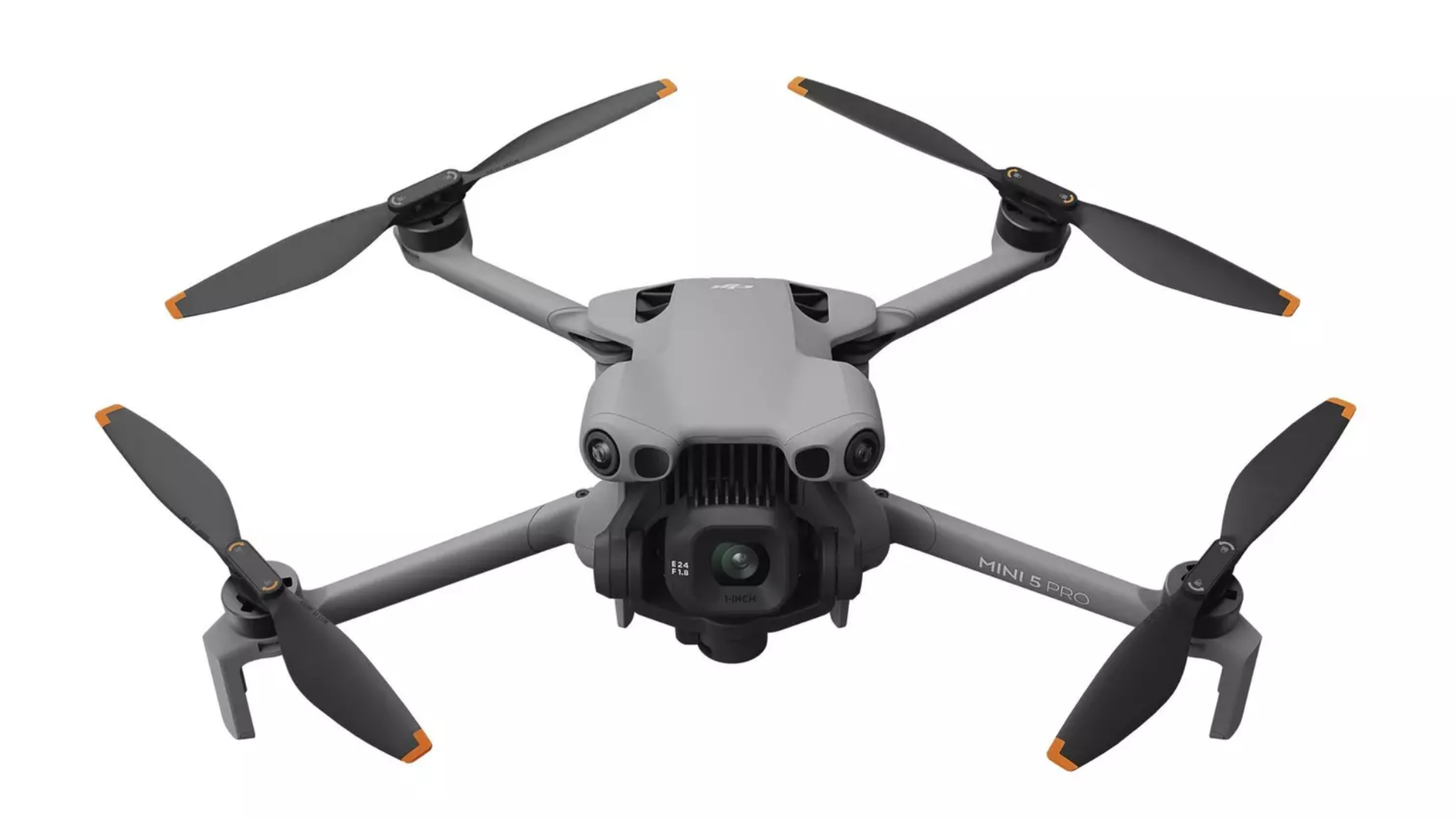
DJI says the Mini 5 Pro isn’t waterproof. I’d plan aerial shots for dry conditions and use the GoPro for the footage close to the water. For U.S. shoppers, check the seller, warranty coverage, and what is actually in stock before ordering. I found global DJI specifications for the Mini 5 Pro, but I didn’t verify stock through DJI’s U.S. store. See DJI’s water guidance.
What I’d pack
For biking, paddling, or clips around camp, I’d start with the GoPro and keep the HERO9 as long as it’s getting the shots I want. I’d upgrade to the HERO13 for the mounting and lens options, or consider MISSION 1 if low-light filming became a bigger part of my trips. I’d only replace the Mini 3 Pro if I were flying often enough to benefit from the Mini 5 Pro’s camera. If aerial shots are an occasional extra, the Mini 3 Pro can still earn its place in the bag.
For more on the cameras I already have, see my HERO9 Black overview and DJI Mini 3 Pro overview.
Featured HERO13 Black photo via Photo LAPLANTE.