
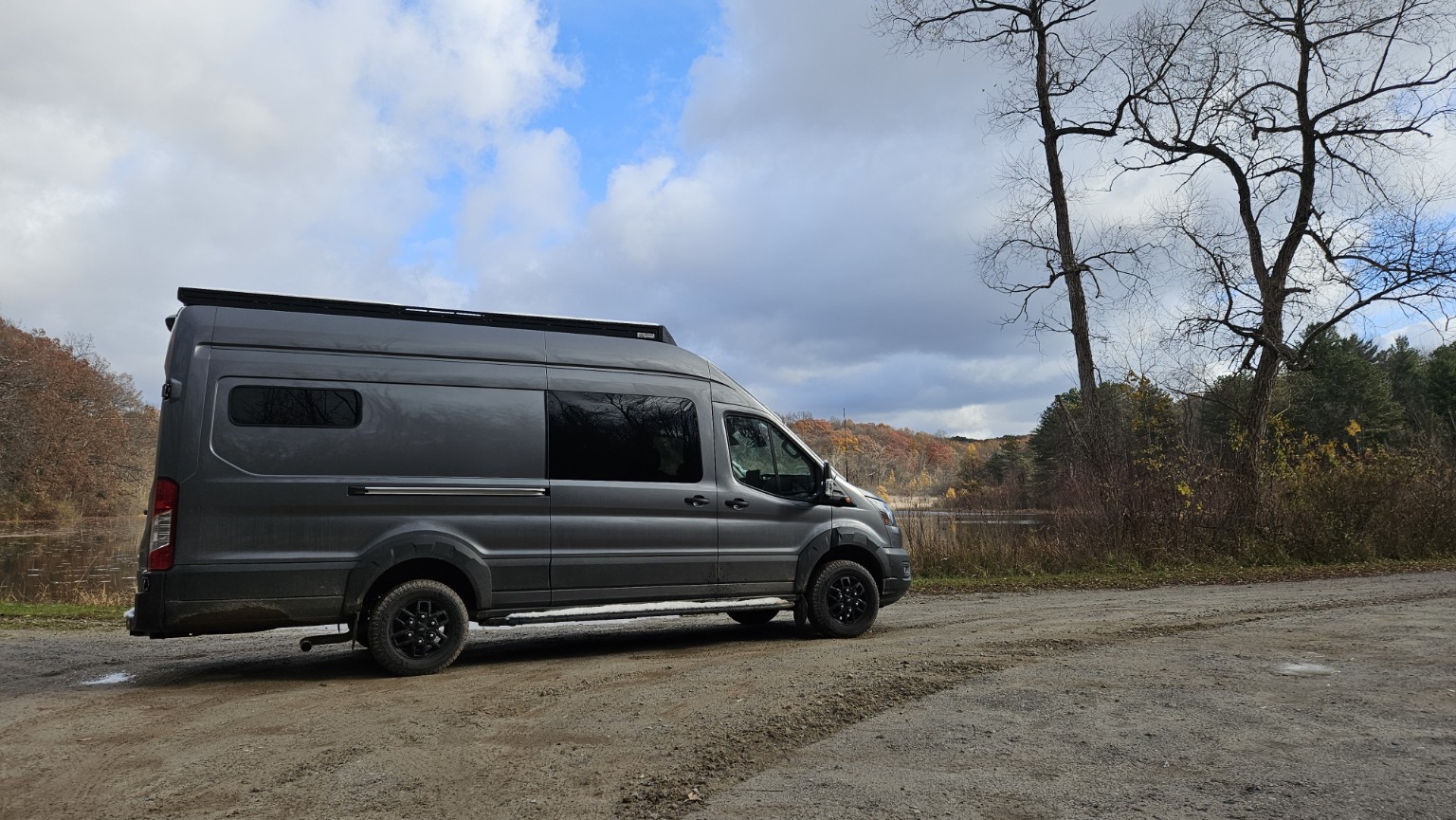
When I’m looking for a place to stop for the night, I usually want to answer three questions: Can I park here? Can I sleep in the van? And how long can I stay? You’d think those would all have the same answer. They don’t, and it’s better to find that out before you’ve pulled in at midnight.
I started Overnight Atlas to help find practical stops on the road. The idea is to make it easier to find a place for a short rest or a legal overnight, not to post somebody’s quiet camping spot all over the internet.
Decide how much rest you actually need
If you’re fighting to keep your eyes open, pull off as soon as you reach a safe, designated place. NHTSA’s drowsy-driving guidance recommends a short nap of about 20 minutes in a safe place, such as a well-lit, designated rest stop. That can help briefly. If you’re still too tired to drive, don’t count on coffee or a cracked window to get you down the road. Find a place where you can get real sleep or switch to a rested driver.
A few hours of rest and a full night call for different plans. For example, at covered Caltrans roadside rest areas, the California rule summarized in Caltrans’ maintenance manual sets an eight-hour maximum in any 24 hours and prohibits camping. A particular lot can have a shorter limit. Look for signs and check for closures before heading there.
Pick the stop before you’re tired
For a short break, look for an open public rest area with a marked space that fits your vehicle. If you need a full night, look for a campground that accepts your setup, an RV park with late arrival, or a business that actually allows overnight stays. If a campground has a gate, check when it closes and how late check-in works. A pin can be right and still be useless to you at 11 p.m.
On private property, ask whoever manages the lot whether you can stay in your vehicle overnight, where to park, and when you need to be out. Walmart’s own FAQ says individual store managers decide whether to allow RV parking based on space and local law. One store’s answer doesn’t cover the next one, and permission to park an RV doesn’t automatically mean you can sleep in your car or van.
In one vanlife discussion, a traveler was awakened by hospital security and asked to leave. Someone else described seeing a lot full of RVs before noticing the no-overnight-parking signs. Those are personal accounts, but the lesson holds up: other rigs aren’t proof that you can stay. Leave hospital and emergency lots for people who need them.
Check official public-land maps
A shaded area on a map tells you who manages the land. It doesn’t tell you whether you can camp there or drive in on the road you’re looking at. Start with the BLM land maps, check the BLM public access map, or find the local Motor Vehicle Use Map through the U.S. Forest Service map directory. Then check the land manager’s current rules, closures, and permits.
If you’re on a desert road trip, La Posa in Arizona and Pilot Knob in California are examples of designated BLM camping areas. They have seasonal rules, and a vehicle without a built-in waste tank may not qualify. Check the official listing and BLM’s site rules before counting on either as a stop.
Have a backup you’d actually use
Before you get off the highway, save two spots. Make the second one somewhere you can arrive late and legally stay, even if it costs a little money. Screenshot the name, directions, hours and any check-in instructions in case you lose service. A vanlife thread about the knock raised a practical point: when you’ve been woken up, that’s a lousy time to start looking. If your only backup closes before you get there, you don’t really have one.
If you get the knock
Van travelers use “the knock” for that moment when someone wakes them at the window or door. In one discussion of people’s experiences, a traveler reported being told to move from a travel stop at 3 a.m. because of a one-hour limit. Others described brief conversations and moving on.
If you can’t tell who’s outside, speak through the closed door and ask who they are. If someone is trying to get in or you feel threatened, keep the doors locked and call 911. If property staff, security or an officer directs you to leave, keep it calm: “Thanks for letting me know. I’ll pack up and head out.” If you’re too tired or otherwise unable to drive safely, say so and ask how you can relocate safely rather than getting behind the wheel impaired.
Leave the place ready for the next person
Use the space you were assigned, keep slides and awnings in, leave the chairs and grill packed, and don’t take a commercial truck space unless the site explicitly allows your rig there. Truck drivers discussing rest areas explain why those longer spaces matter when the lot fills up. Keep noise and outside lights down, take your trash, and empty tanks only at designated dump stations. It’s a parking stop, so leave it looking like one.
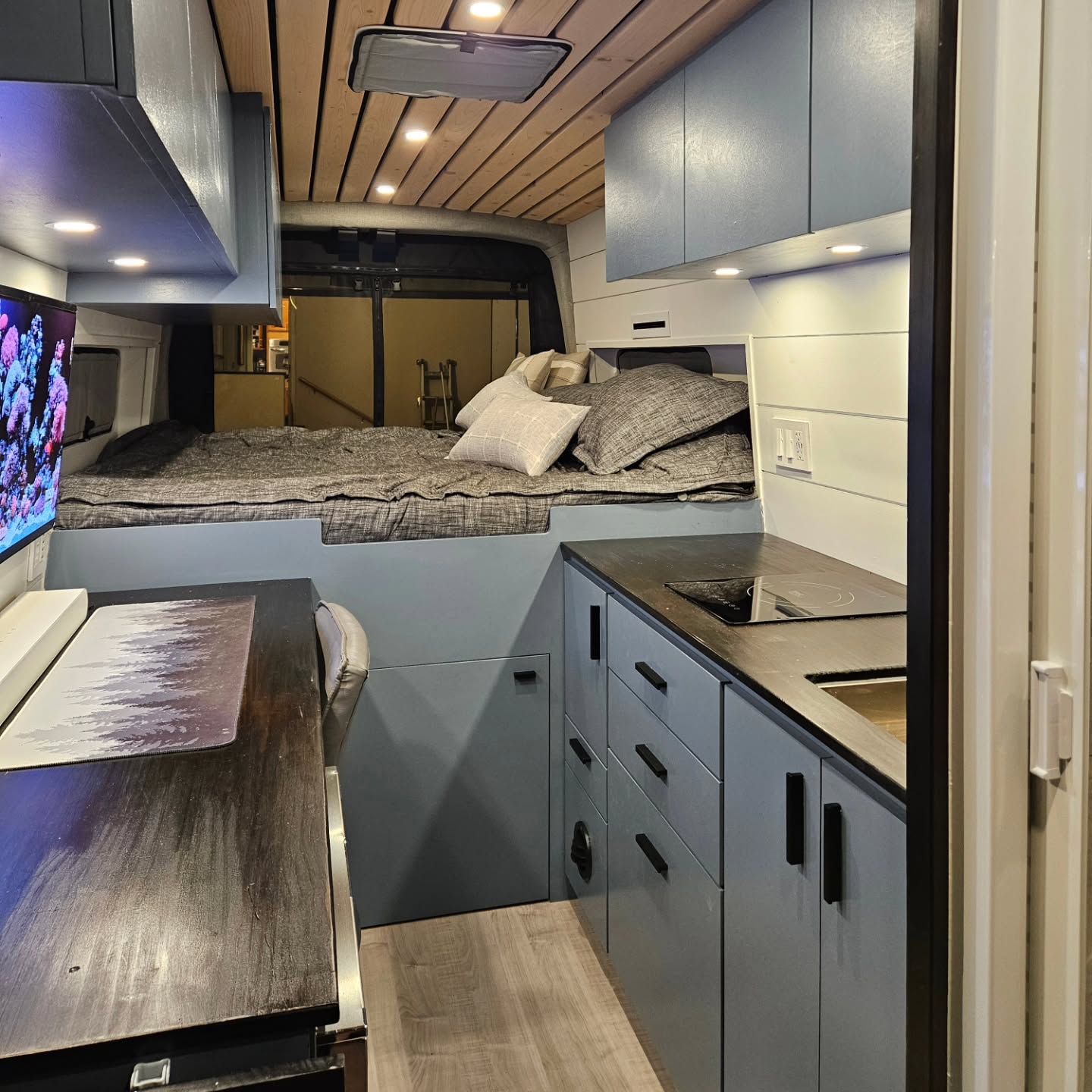
Before you turn in, turn off the engine. Don’t use a camp stove or grill inside the vehicle. CDC’s carbon monoxide guidance explains how an exhaust leak can let carbon monoxide build up inside a vehicle and why people can be poisoned in their sleep without noticing symptoms. If the van is too hot or cold to sleep safely without idling or using a makeshift heater, use your backup or get a room.
Open Overnight Atlas to look for a stop along your route. Read the pin details, check the current signs and limits, and keep that second stop handy.